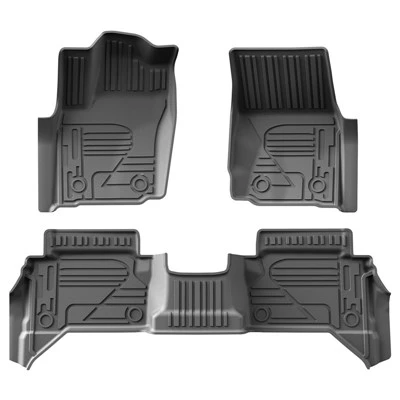
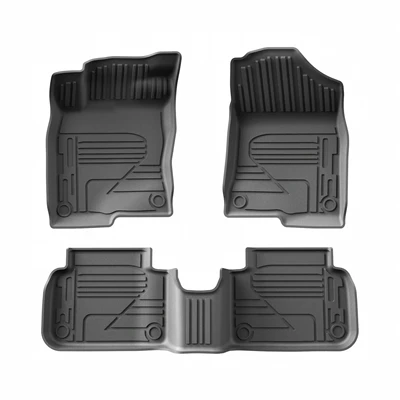
With the continuous growth of the automotive market, consumers are placing higher expectations on vehicle interiors in terms of comfort, appearance, and functionality. As an important automotive accessory, car floor mats have evolved from simple protective products into comprehensive solutions that combine design concepts, material technology, and practical features. High-quality car floor mats not only protect vehicle floors but also improve the overall driving experience, making design elements and manufacturing materials key factors in product development.
During the design process, precise fitting is one of the most important requirements for car floor mats. Since different vehicle models have unique interior structures, floor shapes, and layouts, modern floor mats are often designed using digital measurement and three-dimensional modeling technologies. These methods allow manufacturers to create products that accurately match vehicle dimensions, provide wider coverage, reduce the entry of dust and moisture, and prevent movement or lifting during use.
Safety is another essential consideration in car floor mat design. Designers improve stability by incorporating anti-slip backing, fixing systems, and three-dimensional edge structures. Proper thickness design not only enhances comfort but also prevents excessive height from interfering with driving operations, providing a safer user experience.
In terms of appearance, car floor mat design is increasingly focused on personalization. Consumers have different preferences regarding colors, patterns, shapes, and interior styles. Therefore, modern car floor mats are designed not only for functionality but also to complement the overall appearance of vehicle interiors. Simple, stylish, and personalized designs have become an important trend in the market.
Regarding manufacturing materials, car floor mats are commonly produced using leather, PVC, rubber, TPE, coil materials, and composite materials. Leather offers a premium appearance and easy maintenance, making it popular for high-end products. PVC provides good water resistance with moderate production costs. Rubber materials deliver excellent wear resistance and anti-slip performance, making them suitable for demanding environments. TPE eco-friendly materials have gained popularity due to their low odor, heat resistance, and environmentally friendly characteristics.
In addition, multi-layer composite technology has become widely used in car floor mat manufacturing. By combining decorative surface materials, waterproof layers, cushioning layers, and anti-slip bases, manufacturers can further improve durability, comfort, and protective performance.
Industry experts believe that the future development of car floor mats will focus more on eco-friendly materials, smart manufacturing, and customized solutions. As consumers continue to pursue higher-quality lifestyles, car floor mats that combine attractive design, premium materials, and practical performance will become an important direction for market development.