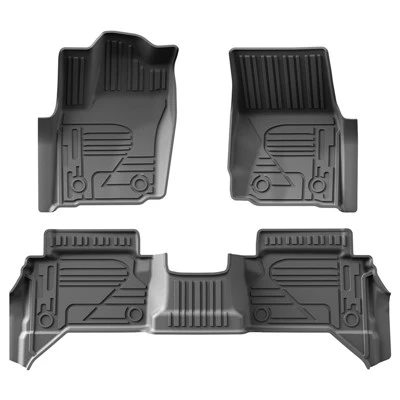
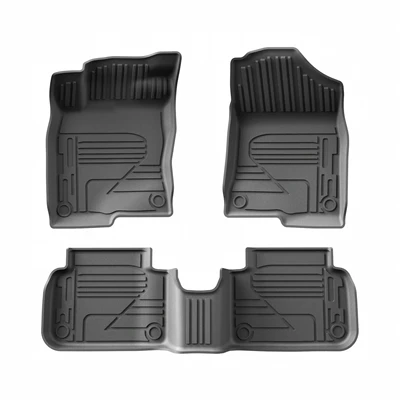
As the most frequently used protective accessory in automotive interiors, the performance and quality of car floor mats directly affect driving experience and travel safety. Mainstream products on the market have gradually upgraded from traditional materials, and now feature outstanding practicality, environmental friendliness and good compatibility, which have become key considerations for consumers.
In terms of basic attributes, high-quality mats are first of all perfectly tailored. They are moulded according to the chassis structure of different car models, fitting closely with the interior contours without shifting or jamming the pedals, which effectively prevents potential safety risks. They fully cover the interior carpet and stop sand, mud, water and oil from seeping into the original vehicle floor. Environment-friendly TPE has become the leading material in the industry. Unlike traditional rubber, chemical fibre or recycled materials, it is free of unpleasant odour and heavy metals, and will not release harmful substances under high temperature, meeting domestic and international environmental standards for automotive interiors. It also features high wear resistance, ageing resistance, water and stain resistance, with a service life of 3 to 5 years under normal use. It is easy to clean – simply rinse with water to restore its original condition.
In terms of structural design, anti-slip fasteners, raised edges and dirt-retaining grooves have become standard features. The anti-slip base keeps the mat firmly in place to avoid interference with driving operations. Raised edges prevent liquid overflow, while the surface texture increases foot grip and collects dust and debris to keep the interior clean. Meanwhile, modern mats are lightweight and flexible. They will not harden or crack in low temperatures, or deform after long-term use, and are suitable for all types of fuel and new energy vehicles.
With growing consumer demand, car floor mats are no longer only used for basic protection, but also moving towards personalisation and customisation. Custom patterns, colours and logos are all available on request, ensuring both functionality and aesthetic consistency with the vehicle interior. They have become an important product in the automotive aftermarket that balances practical value and aesthetic appeal.