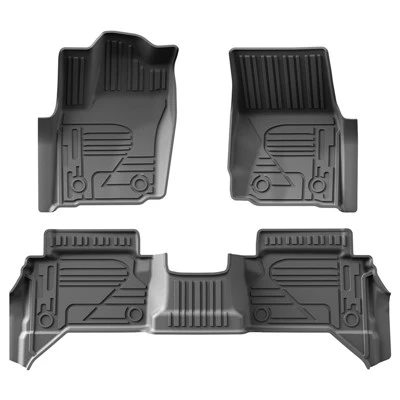
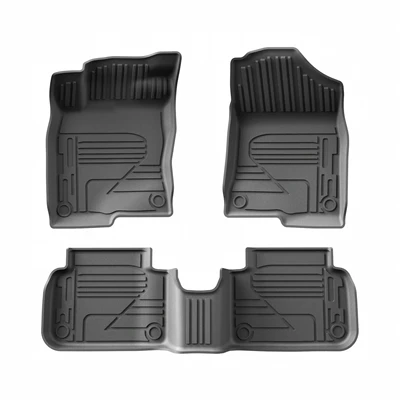
With the continuous growth of the automotive market, car floor mats have become an essential accessory for many vehicle owners. Besides protecting the vehicle floor and maintaining interior cleanliness, the materials used in car floor mats directly influence durability, safety, and overall comfort. As consumers continue to demand higher-quality automotive products, the composition of car floor mats has attracted increasing attention.
According to industry information, car floor mats available on the market are mainly made from materials such as leather, PVC, rubber, polyurethane, textile fibers, and environmentally friendly composite materials. Each material has its own characteristics and is designed to meet different usage requirements. Leather is widely used in premium car floor mats due to its smooth surface, stylish appearance, and easy maintenance. High-quality leather mats usually provide good wear resistance and water protection, while also enhancing the overall look of the vehicle interior.
PVC is another commonly used material in car floor mat production. It offers advantages including strong water resistance, convenient processing, and relatively affordable production costs, making it suitable for large-scale manufacturing. However, when choosing PVC floor mats, consumers should pay attention to material safety and environmental standards to avoid products with unpleasant odors or poor quality.
Rubber materials also play an important role in car floor mat manufacturing because of their excellent wear resistance, anti-slip performance, and stain resistance. Rubber floor mats are especially suitable for vehicles that frequently encounter rain, mud, or other challenging conditions. They can effectively prevent dirt and moisture from entering the vehicle interior. Meanwhile, newer environmentally friendly rubber materials have improved odor control and safety performance.
In addition, coil mats are usually made from PVC loops or polymer fibers. They provide strong dust collection capabilities and can effectively trap dirt and debris, making daily cleaning easier. Full-coverage floor mats often feature a multi-layer structure, combining a leather surface layer, waterproof layer, and anti-slip base to provide wider protection and longer service life.
Industry experts believe that future car floor mats will focus more on environmental protection, health, and functional innovation. As consumers pay greater attention to interior air quality and driving comfort, products featuring eco-friendly materials, low-odor designs, and durable structures are expected to gain stronger market competitiveness.
Understanding the main materials used in car floor mats helps consumers make better purchasing decisions based on their specific needs. Whether focusing on appearance and comfort or durability and practicality, selecting the right material is an important factor in improving the overall vehicle experience.