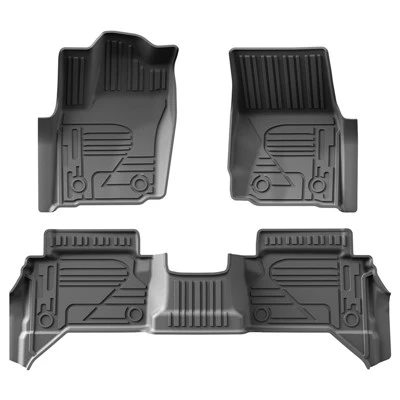
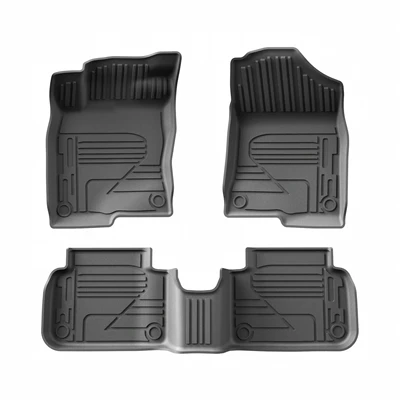
With the continuous growth of the automotive accessories market, consumers are demanding higher quality from vehicle interior protection products. As an important product for trunk protection, TPE (Thermoplastic Elastomer) trunk liners have gained increasing attention due to their advantages in environmental performance, durability, waterproof protection, and easy maintenance. Producing a high-quality TPE trunk liner requires multiple manufacturing stages, including material preparation, mold development, molding, surface optimization, and quality inspection. Advanced production technologies ensure reliable performance and improved user experience.
The first step in TPE trunk liner production is raw material preparation. TPE materials combine the processing advantages of plastics with the flexibility of rubber, making them suitable for automotive protection products that require strength, elasticity, and stability. During manufacturing, companies carefully adjust TPE formulations according to product requirements and add appropriate eco-friendly additives to improve waterproof performance, aging resistance, and temperature stability. Only materials that pass strict selection and testing can proceed to the next production stages.
Mold development is a critical part of the TPE trunk liner manufacturing process. Since different vehicle models have unique trunk dimensions, contours, and layouts, manufacturers typically use technologies such as 3D scanning and digital modeling to collect precise vehicle data. High-precision mold design ensures that the final product closely matches the vehicle structure, improving installation stability and overall protection performance.
During the molding stage, TPE trunk liners are mainly produced through injection molding or compression molding processes. Heated TPE materials are placed into specialized molds and shaped under carefully controlled temperature, pressure, and timing conditions. The use of automated production equipment not only improves manufacturing efficiency but also reduces human errors, ensuring more consistent quality across different production batches.
After the basic molding process is completed, the products undergo surface treatment and detailed processing. Manufacturers optimize surface textures, anti-slip structures, edge heights, and drainage designs based on practical usage requirements. Special textures improve grip and help reduce cargo movement during transportation. Raised-edge structures create effective protection zones to prevent liquids and contaminants from spreading, while optimized drainage systems improve cleaning convenience.
Quality inspection is an essential stage in TPE trunk liner production. Manufacturers usually conduct dimensional accuracy checks, wear resistance tests, waterproof evaluations, high and low temperature performance tests, and environmental safety assessments. These procedures ensure that products can maintain stable performance under different usage conditions. Strict quality management systems further improve product reliability and service life.
With the development of smart manufacturing and sustainable production concepts, TPE trunk liner manufacturing processes are moving toward greater automation, digitalization, and environmental responsibility. Industry experts believe that future innovations in materials and manufacturing technologies will create further improvements in structural design, product functionality, and customized solutions, providing consumers with safer, more convenient, and higher-quality vehicle storage protection products.