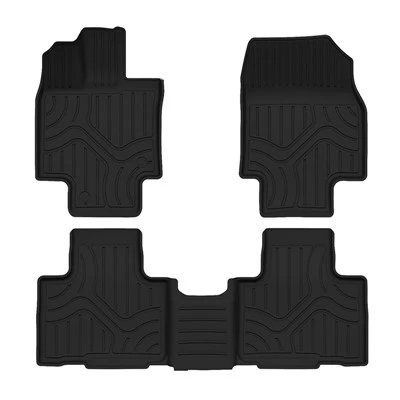
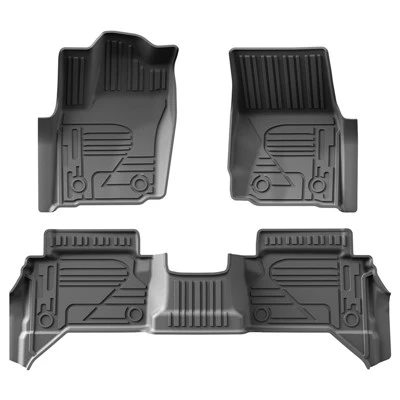
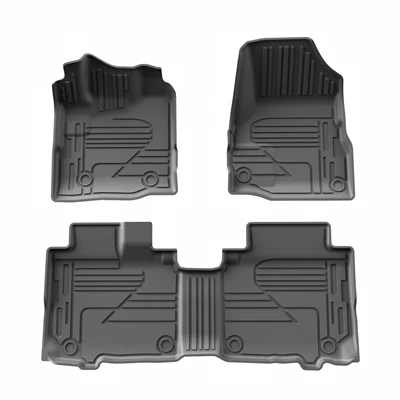
A customer asks for floor liners for a popular SUV. The vehicle name looks familiar, the supplier has a matching product photo, and the price works. Yet one detail is missing: which model year, seating layout, and floor configuration does the liner actually fit?
I am Freya, part of the Overseas Sales and Order Support team at Zhejiang Kangyu Automobile Parts Co., Ltd. I handle around 30 inquiries a day. Many conversations start with price, but the orders that move forward smoothly usually begin with a more specific question: what evidence will show that this liner fits the vehicles your customers actually drive?
That question matters as North American distributors, online sellers, and private-label brands expand their all-weather interior protection ranges. Pickup trucks and SUVs represent substantial parts of the broader vehicle-accessories market. Mud, rain, winter slush, and everyday family use also give buyers clear reasons to look for easier-to-clean floor protection. However, a favorable market backdrop does not guarantee demand for every floor-liner SKU. For a business buyer, the opportunity depends on choosing the right vehicle applications and confirming the product before committing to stock.
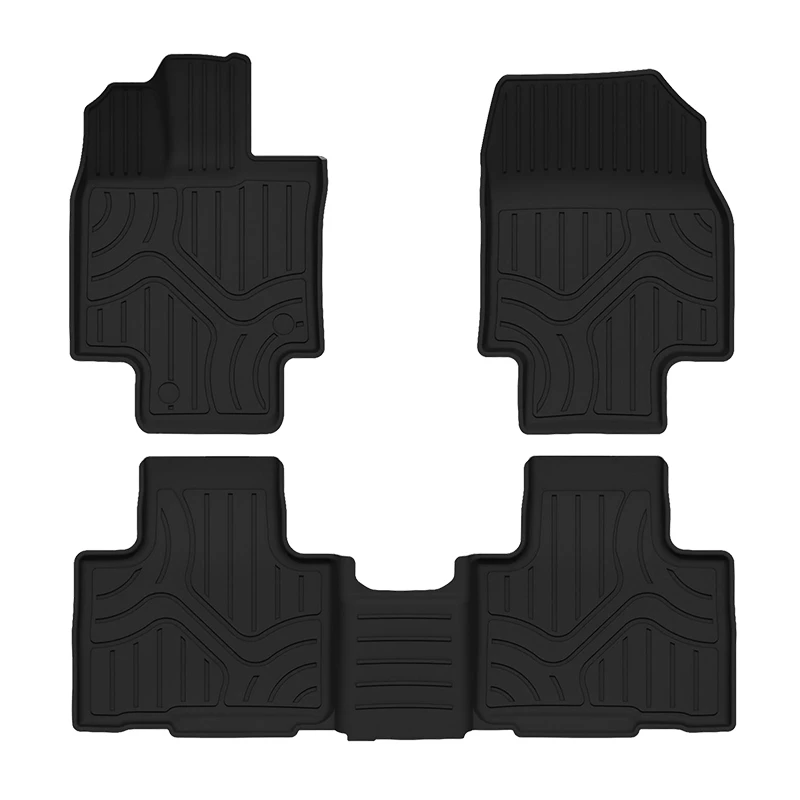
Kangyu Toyota Camry Hybrid Floor Mats
Why Vehicle-Specific Fit Matters to a Product Range
A universal mat can serve more than one vehicle, but its coverage is necessarily a compromise. A vehicle-specific liner is developed around a particular floor shape, including features such as the footwell outline, seat bases, center tunnel, and original retention points. That distinction affects the photos a seller can publish, the fit claims it can make, and the questions its customer-service team must answer.
In North America, a single model name may cover several relevant configurations. A pickup can have different cab layouts. An SUV may be offered with different seating arrangements. A model-year change can alter the interior even when the vehicle name stays the same. The phrase "fits Model X" is therefore too broad for a purchase order or an online listing.
Before we discuss a sample, I ask a buyer for the target make, model, model year, and configuration. If there are several versions, photographs of the actual footwell and its fixing points help us identify what needs checking. This step can feel slower than requesting a price list, but it gives both sides a defined application to evaluate.
For a distributor, the practical aim is a fitment table: each SKU linked to the vehicle versions it has been checked against, with exclusions stated clearly. A narrower range with reliable application data can be more useful than a large range whose listings generate avoidable fit questions.
Start With the Vehicles Your Customers Buy
The phrase growing demand should lead to a stock decision, not an assumption that every available mold deserves an order. I suggest dividing a proposed range into three groups:
- Established sellers: Vehicles for which the buyer already has sales, search, or inquiry data.
- Adjacent opportunities: Related models or configurations requested by existing customers.
- New applications: Vehicles with potential demand but limited evidence from the buyer's own channel.
This makes it easier to decide where samples, listing work, and initial inventory will have the most value. An online seller may prioritize applications with strong vehicle-specific search activity and few returns in its existing range. A regional wholesaler may start with the pickup and SUV models its retail customers repeatedly request. A new private-label brand may begin with a small group of vehicles so it can check product photos, packaging, and customer feedback before expanding.
Kangyu maintains tooling for more than 800 vehicle applications, according to our company materials. That gives buyers a starting point, but a mold count is not a substitute for checking the exact application and current tooling status. When you send us a target vehicle list, we can separate existing-mold options from applications that require further development. Buyers can then compare the sample and tooling work involved instead of treating every quoted item as if it had the same preparation time.
Cost-control tip: ask for this distinction early. The unit price of an existing application and the total project cost of a newly developed one answer different questions.
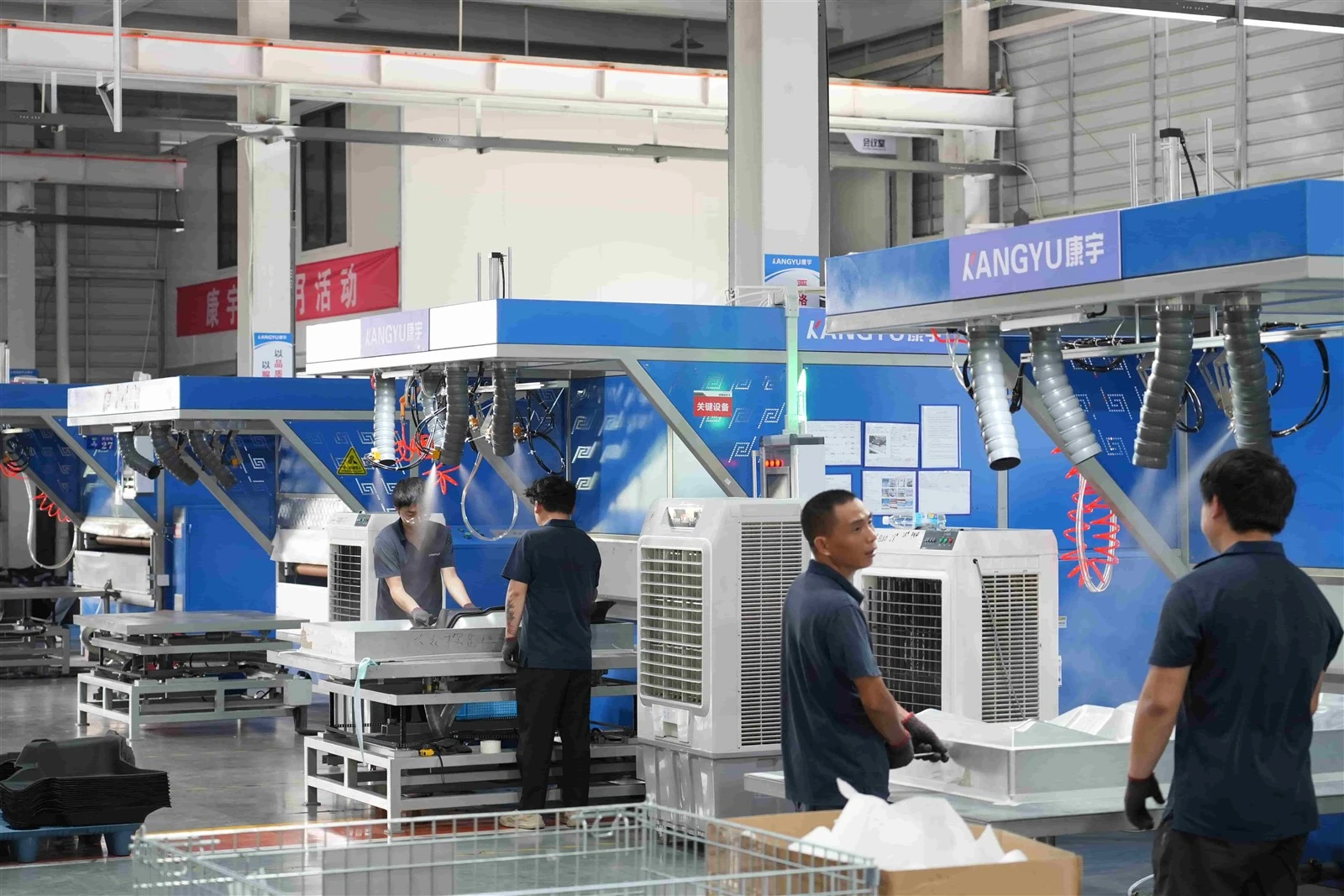
Kangyu In-House Precision Male Mold Making
What Should a Buyer Check in a Sample?
A product can look convincing in a catalog photo and still need changes when placed inside the intended vehicle. The most useful sample review happens in the vehicle, with installation photographs from several angles.
I recommend recording at least five checks:
- Driver-side clearance: Does the liner stay clear of the accelerator, brake, and any clutch pedal through their normal movement?
- Retention: Do the fixing points align with the vehicle's original anchors, and does the installed liner remain in its intended position?
- Edge coverage: Do the front, sides, and rear edges follow the footwell without an unwanted gap or raised corner?
- Configuration match: Are rear-row sections, seat mounts, console shapes, and any joined areas correct for the specified version?
- Removal and cleaning: Can the user remove and reinstall the liner as intended without disturbing its fit?
The driver-side checks deserve particular attention. Vehicle safety guidance advises securing floor mats and confirming pedal clearance after installation. A "custom-fit" label alone is not evidence that these checks have been completed for the vehicle in question.
Our mold-development team uses vehicle data and repeated trial installation when developing a new fit. One issue identified by our quality team involved a liner corner lifting because part of the mold needed correction. The technical team repaired and adjusted the mold, then tested the fit again. For me, the lesson is straightforward: a sample is valuable because it can expose a problem while there is still time to correct the tooling.
For a new vehicle application, ask the supplier what was scanned, which version was used for trial fitting, and whether a later production sample will be checked against the approved result. If several production periods of the same vehicle may differ, confirm whether one liner covers them all or whether the listing needs an exclusion.
Material and Process: Ask What They Change for Your Customer
TPE means thermoplastic elastomer: a flexible material that can be heated and shaped during production. Kangyu specializes in vehicle-specific TPE floor mats and liners. For a buyer, the material name is only the beginning of the specification. The sample should also be assessed for odor, surface appearance, flexibility, edge finish, and cleaning behavior under the conditions relevant to the intended market.
Our primary manufacturing method is male-mold vacuum forming. In simple terms, a heated TPE sheet is drawn over a raised mold and shaped against its surface. We use this process to develop defined contours and visible surface textures. Kangyu also has female-mold forming and injection-molding capabilities for suitable designs and components. The sensible question is not "Which process is always best?" It is "Which process gives the approved fit, finish, and production consistency for this SKU?"
If the product is intended for a private-label range, discuss surface texture, color, logo, and packaging together. A color described as "black" or "orange" may still vary from a buyer's reference. Providing a physical color sample or an agreed approval sample reduces room for interpretation. The same applies to packaging: confirm the label, vehicle application, piece count, and carton markings before production.
Our [manufacturing process] and [in-house precision mold making] pages give more detail on how we develop and produce vehicle-specific products. A buyer should still request a sample and written specification for the particular item being ordered.
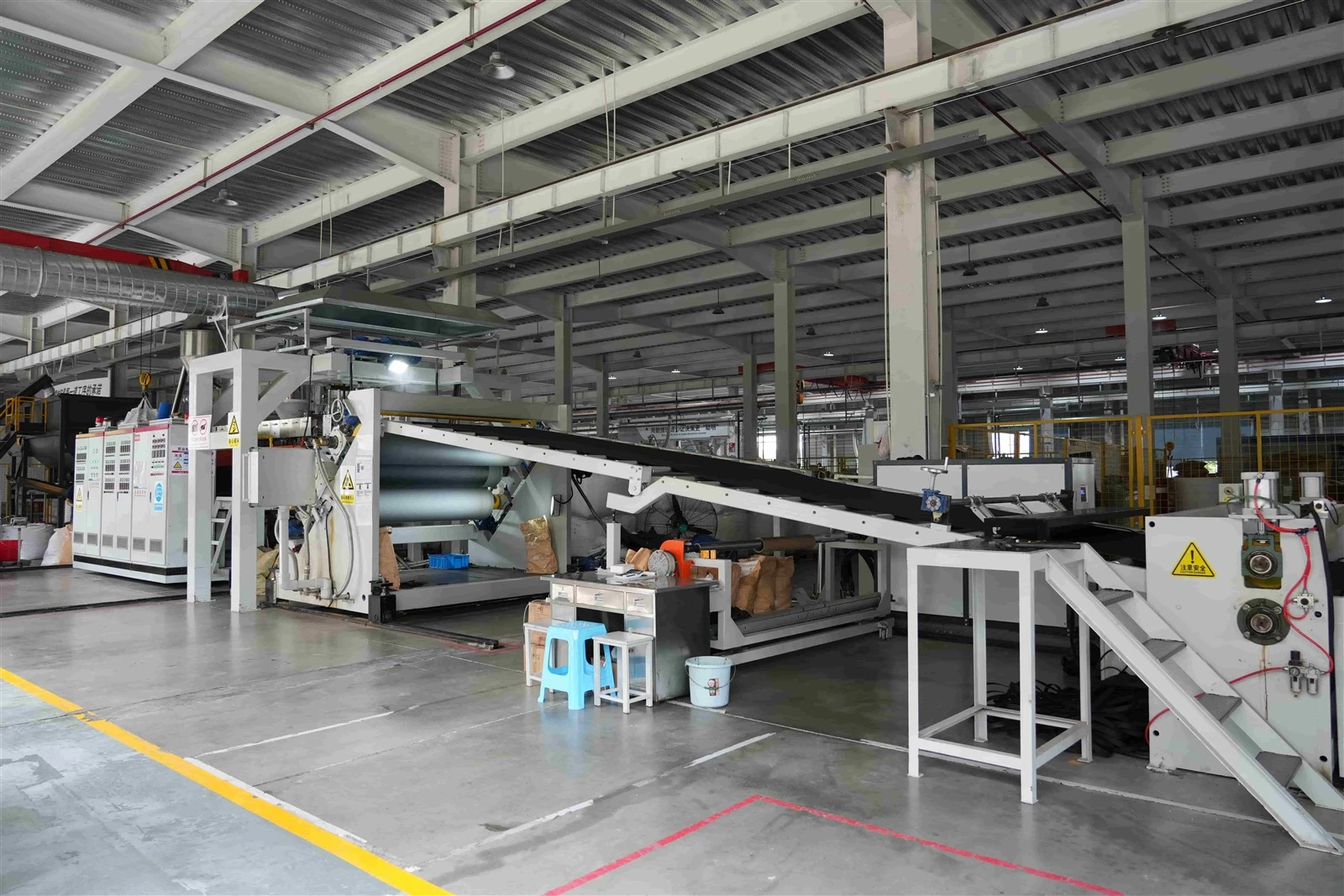
Kangyu TPE Material
Turn a Sample Approval Into a Repeatable Order
An approved sample is useful only if the production order refers back to it clearly. When supporting a buyer's order, I try to bring the key decisions into one record: the vehicle application, approved sample version, material and color, included pieces, branding, packaging, quantity, and inspection points.
This matters especially when a buyer launches several similar SKUs at once. Two cartons may both say "front and rear liners" but contain different rear-row arrangements. A clear application label and piece list help the buyer's warehouse, sales team, and end customer handle the item correctly.
Certification documents can help a buyer assess the manufacturer's management systems and relevant testing. Kangyu can share applicable documents during supplier review. Their scope should be checked against the exact claim a buyer plans to publish: a management-system certificate, for example, does not by itself prove that every liner fits every listed vehicle or that every product carries the same test result.
Samples, documents, and specific case information are often what move an initial conversation forward. In my role, fast replies help, but they are most useful when the reply answers the buyer's actual uncertainty. If the question is whether a liner fits a particular seating layout, a general company brochure will not resolve it. We need the vehicle details, the relevant sample, and a decision about the application.
A Practical Route for North American Buyers
If you are considering a new range of [vehicle-specific TPE floor mats], start with a short target-vehicle list based on your own sales or customer requests. For each vehicle, specify the year and configuration, then ask which applications use existing tooling and which need development.
Next, obtain samples for the highest-priority SKUs. Trial-fit them in the intended vehicles, document the five checks above, and agree on any corrections before approving production. Confirm the packaging and listing fitment information at the same time. This sequence gives your purchasing, marketing, and customer-service teams the same product definition.
Finally, expand in stages. Monitor which applications sell, which questions customers ask, and whether any returns point to an unclear fitment claim or a product issue. Use that information to decide the next group of vehicles, rather than ordering every available application at once.
The North American opportunity is more specific than "sell more floor mats." It is to offer the right liner for a clearly defined vehicle and make that claim dependable from sample approval through repeat orders. If you are planning a wholesale or private-label range, send Freya's team your target vehicle list, quantities, branding needs, and intended sales market through [OEM/ODM custom design services] or [request a quote]. We can review the applications with you and identify what needs to be verified before an order proceeds.
FAQ
Q: Can I request a quote if I only have a list of vehicle models, without drawings?
A: Yes. Send the make, model, model year, and any known cab or seating configuration for each vehicle. We can first check available applications and identify where photographs, measurements, or new development may be needed.
Q: Can different vehicle applications be combined in one wholesale order?
A: Send your proposed SKU list and quantity for each application. Our team can review tooling availability, sample requirements, packaging, and order arrangements for the combination requested.
Q: What should I send if an existing liner does not fit one customer's vehicle?
A: Please provide the vehicle identification details, production year and configuration, photographs of the installed liner, and close-ups of the area with the gap or interference. Keep the liner's packaging or SKU label so we can trace the specified application and review the issue.
Q: Can I review certification and product-testing documents before placing an order?
A: Yes. Tell us which documents your purchasing team or sales channel requires. We will share available, applicable materials for review and clarify their scope so the claims used in your listing match the documents.
References
- North American automotive accessories market: SEMA, 2026 SEMA Market Report. The figures cited in this report cover the broader accessory and performance parts market; they are not sales figures for custom-fit floor liners specifically.
- Driver-side floor mat safety: Floor Mat Use Instructions available through NHTSA. Follow the vehicle manufacturer's instructions for securing the mat and check that it does not interfere with pedal operation.